
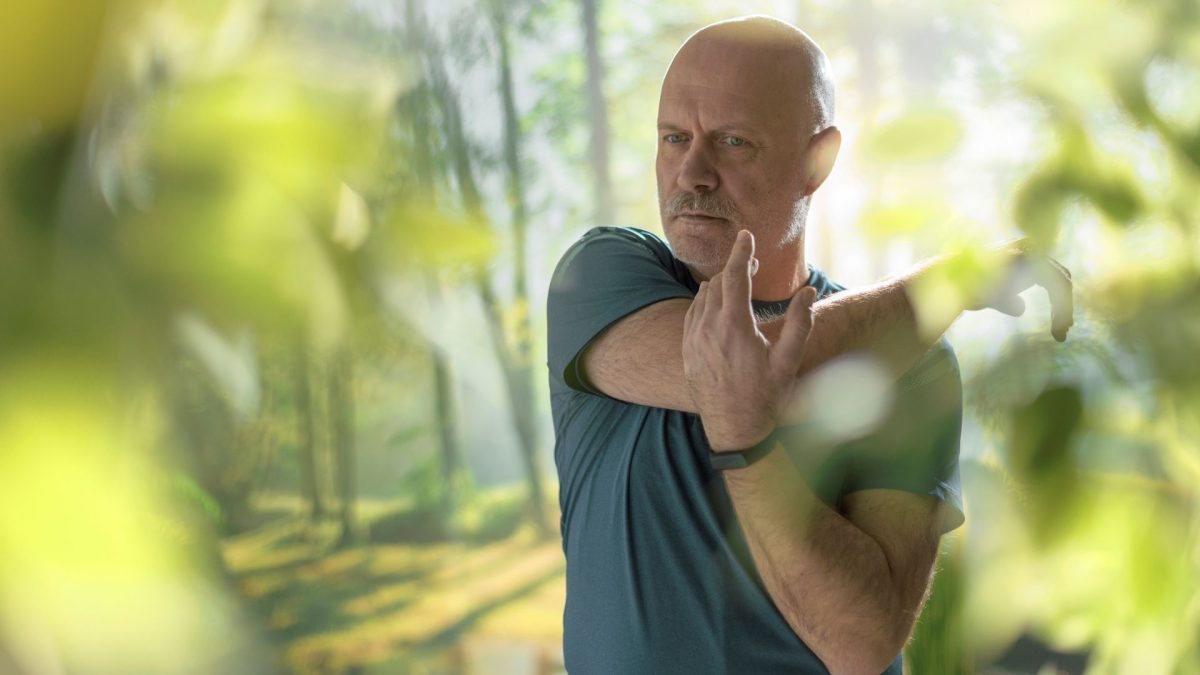
Getting Fit in Middle Age Could Cut Your Risk of Heart Failure
Many people believe that if they have not exercised consistently in their twenties and thirties then they have somehow missed their chance. This idea is not only wrong but potentially dangerous. Modern research shows that improving your fitness during middle age can have a profound protective effect on your heart and your long term health.
Heart failure is a serious and increasingly common condition. In the UK alone it affects more than 750000 people. It occurs when the heart can no longer pump blood around the body efficiently. This leads to fatigue, breathlessness, swelling in the legs, and a major reduction in quality of life. It is one of the leading causes of hospital admission in older adults.
The encouraging news is that heart failure is not simply a matter of bad luck or genetics. Lifestyle plays a huge role. A major long term study has shown that people who improve their fitness in middle age can reduce their risk of developing heart failure later in life by around 40 percent. That is an extraordinary reduction in risk from something as accessible as regular structured exercise.
Why Middle Age Matters So Much
Middle age is a turning point for many aspects of health. Muscle mass naturally starts to decline. Metabolism slows. Blood pressure and cholesterol levels often creep up. Many people also become less active due to work and family commitments.
These changes increase strain on the cardiovascular system. If nothing is done this gradual decline continues into older age which raises the likelihood of heart disease and heart failure.
The study’s findings show that this decline is not inevitable. People who increased their cardiorespiratory fitness during middle age dramatically changed their long term outlook. In simple terms getting fitter in your forties and fifties acts like an insurance policy for your heart in your sixties and seventies.
What Fitness Means for the Heart
When you train properly your heart becomes stronger and more efficient. Each beat pumps more blood which means the heart does not need to work as hard at rest or during activity. Blood vessels become more flexible. Blood pressure improves. Insulin sensitivity increases. Inflammation decreases.
These adaptations reduce the chronic strain that leads to heart failure. Fitness is not about looking athletic. It is about how well your heart and lungs can deliver oxygen to working muscles. Even moderate improvements create powerful protective effects.
You Are Not Too Old to Start
One of the most important messages from the research is that you do not need to have been fit your entire life. Participants who became fitter during middle age saw major reductions in risk even if they had previously been unfit.
This means starting in your forties or fifties is not too late. In fact it is one of the most effective times to begin because the benefits carry directly into the years when heart failure risk usually rises.
The body remains remarkably adaptable. With the right guidance muscles grow stronger, the heart becomes more capable, and stamina improves at any age.
Consistent Training Beats Extreme Effort
Reducing heart failure risk does not require marathon running or punishing workouts. Consistency is what matters. A structured combination of resistance training and cardiovascular work produces the best results.
Strength training preserves and builds muscle which supports metabolism, joint health, and posture. Cardiovascular training improves the heart’s pumping ability and the lungs’ capacity to deliver oxygen. Short bouts of higher intensity work mixed with steady effort often produce the greatest gains in fitness.
Importantly this training must be progressive and appropriate for the individual. Jumping into intense exercise without preparation increases injury risk and reduces adherence. Smart gradual progression builds confidence and long term success.
Beyond the Heart There Are Many Benefits
Improving fitness in middle age does far more than protect against heart failure. It reduces the risk of type 2 diabetes, stroke, and many cancers. It improves bone density which lowers fracture risk. It enhances mood, sleep quality, and cognitive function.
People who train regularly report higher energy levels and less joint pain. Daily tasks become easier. Confidence increases. These quality of life improvements are often noticed within weeks which makes continued training more enjoyable and sustainable.
Why Professional Guidance Makes a Difference
Many middle aged adults want to get fitter but are unsure where to start. Concerns about injury, embarrassment, or doing exercises incorrectly can become barriers. This is where structured personal training becomes invaluable.
A good programme begins with assessment and builds from your current ability. Technique is taught carefully so movements are safe and effective. Sessions are adapted around existing aches, past injuries, and lifestyle commitments. Progress is tracked so improvements are visible and motivating.
This guided approach removes guesswork. Instead of random workouts you follow a plan designed specifically for your body and goals.
A Supportive Environment Matters
Training at your home removes many of the pressures people feel in busy commercial gyms. You are not competing for equipment or worrying about how you look. You can focus fully on learning correct movement and building confidence.
Home sessions are one to one which means every minute is purposeful and tailored.
From First Steps to Lasting Change
Many people starting in middle age are surprised by how quickly progress appears. Initial sessions focus on learning movement patterns, improving mobility, and building a base of strength and stamina. Within a few weeks everyday activities feel easier. Within a few months measurable improvements in fitness and body composition become clear.
These early wins create momentum. What begins as a plan to improve health often becomes an enjoyable routine people look forward to each week.
Reducing Risk by a Meaningful Amount
A 40 percent reduction in the likelihood of developing heart failure is not a small effect. In public health terms it is enormous. For an individual it could mean decades of additional independence and vitality.
Considering how common heart failure is and how debilitating it can be this reduction alone is a compelling reason to prioritise fitness during middle age. Few other lifestyle changes deliver such a powerful protective return.
Exercise as Preventive Medicine
Modern medicine is excellent at treating disease once it appears. Exercise is one of the most effective ways to prevent it appearing in the first place. Regular training improves the very systems that heart failure weakens.
Rather than waiting for problems to develop and then reacting you can act now to strengthen your heart and protect your future. This proactive approach is far more effective and far more empowering.
It Is Never About Perfection
You do not need to train every day or become an athlete. You need to begin and then continue. Two or three well planned sessions each week can transform fitness levels over time.
Life will occasionally interrupt routines. Travel, illness, and busy periods happen. The key is always returning to the plan rather than giving up when consistency slips. Long term health is built through persistence rather than perfection.
Take the First Step Today
If you are in your forties, fifties, or early sixties this is the perfect time to invest in your heart health. Starting now can significantly reduce your risk of heart failure later and dramatically improve how you feel today.
With expert guidance you can learn correct technique, build strength safely, and improve cardiovascular fitness in a supportive private environment. Every session moves you further from future illness and closer to lasting vitality.
Do not wait for symptoms to force change. Begin your fitness journey now and give your heart the strength it needs for the decades ahead.