
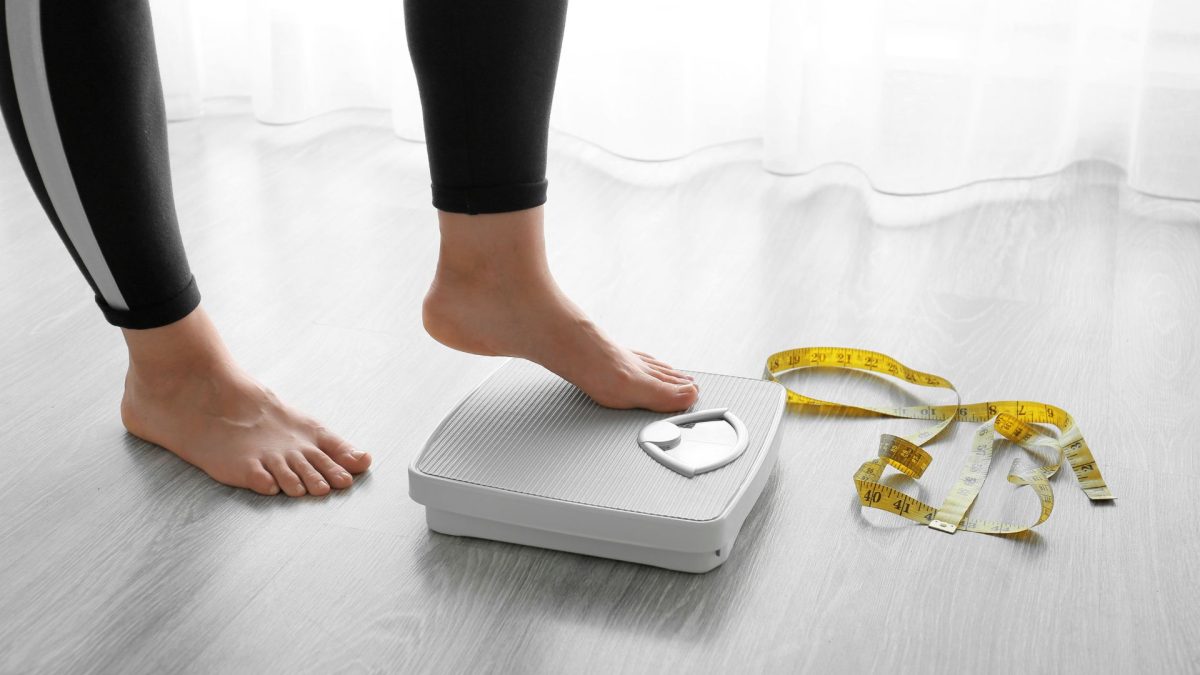
Weighing Yourself Every Day Can Help With Weight Loss and Maintenance
Daily weighing is one of the most debated habits in weight loss. Some people believe it causes obsession frustration or anxiety. Others avoid the scale altogether and rely on how they feel or how their clothes fit. While emotional responses to the scale are very real the scientific evidence consistently shows that regular self weighing is one of the most effective tools for long term weight control when it is used correctly.
Daily weighing is not about judgment or punishment. It is about awareness feedback and course correction. When people understand what the number represents and how to interpret it the scale becomes a powerful ally rather than a source of stress.
What the research actually shows
A well known two year study conducted by Cornell University examined the effects of frequent self weighing on weight loss and weight maintenance. The results were clear. Participants who weighed themselves regularly and tracked their weight were more successful at losing weight and more importantly at keeping it off.
One of the most important findings was that subjects who lost weight during the first year of the program were able to maintain that loss throughout the second year when daily weighing remained part of their routine. This matters because long term weight maintenance is where most people struggle.
Multiple studies show that around forty percent of weight lost through diet is typically regained within one year. By five years almost all of the weight is usually regained. This is not due to lack of effort or willpower. It is largely due to lack of feedback and accountability once the initial diet phase ends.
Why weight regain is so common
Weight regain does not happen overnight. It happens slowly through small changes in behaviour that go unnoticed. Portions creep up activity levels drop stress increases and routines slip. Without a clear feedback mechanism these changes can continue for months before they are noticed.
The scale provides immediate objective feedback. It highlights trends early which allows small adjustments to be made before weight regain becomes significant. This is the key difference between people who maintain weight loss and those who do not.
Understanding daily weight fluctuations
One of the biggest reasons people fear daily weighing is misunderstanding natural weight fluctuations. Body weight can change from day to day due to hydration glycogen levels sodium intake hormonal cycles and digestive contents.
A single weigh in does not represent fat gain or fat loss. Fat loss occurs slowly over time. Daily weighing should be viewed as data collection rather than evaluation.
When weight is recorded daily patterns become visible. Weekly averages and long term trends matter far more than individual readings. This perspective removes emotion and replaces it with clarity.
Why daily weighing works psychologically
Daily weighing increases awareness. Awareness changes behaviour. When people see their weight regularly they are more likely to make mindful choices around food movement and recovery.
This does not mean restriction or guilt. It simply reinforces the connection between actions and outcomes. When weight begins to trend upward it prompts reflection. When it trends downward it reinforces positive habits.
For many people especially men this form of objective feedback is highly motivating. It provides a clear metric that aligns well with goal driven thinking.
Daily weighing and accountability
Accountability is one of the strongest predictors of weight loss success. Daily weighing creates personal accountability without relying on external pressure.
It removes the ability to ignore gradual change. When people avoid the scale it is often because they already sense weight gain. Avoidance delays action. Daily weighing prevents this delay.
This is particularly important after weight loss has been achieved. Maintenance requires ongoing awareness not perfection.
The difference between monitoring and obsession
Monitoring weight is not the same as obsessing over it. Obsession involves emotional attachment judgment and self worth being tied to a number. Monitoring involves curiosity neutrality and data.
The way the scale is used determines the outcome. Weighing at the same time each day under similar conditions and recording the result without emotional reaction creates a healthy relationship with the process.
The goal is information not validation.
Why avoiding the scale often backfires
Many people stop weighing themselves once they have lost weight because they fear seeing an increase. Unfortunately this removes the very tool that could help them stay on track.
Avoidance allows weight regain to progress unnoticed. By the time clothes feel tight or fitness drops significant regain has already occurred. Reversing this requires far more effort than making small early adjustments.
Daily weighing keeps weight maintenance proactive rather than reactive.
How daily weighing supports behaviour change
Daily weighing encourages consistency. It reinforces daily habits rather than short term diets. It supports flexible eating because small deviations are visible and manageable.
It also helps identify patterns. People often notice weight increases after weekends poor sleep high stress or reduced activity. This awareness allows better planning rather than guesswork.
Over time people learn how their body responds to different behaviours. This knowledge builds confidence and independence.
Who benefits most from daily weighing
Research suggests that men in particular respond well to frequent self weighing due to the objective nature of the feedback. However many women also benefit once they understand natural hormonal fluctuations and stop reacting emotionally to single readings.
People who have previously lost weight and regained it are often the strongest candidates for daily weighing. It provides the structure and awareness that was missing before.
How to weigh correctly
Consistency is essential. Weigh yourself at the same time each day ideally in the morning after using the bathroom and before eating or drinking. Wear similar clothing or none at all.
Record the number and move on. Do not adjust food intake or training based on a single day. Look at weekly averages and trends.
This removes noise and focuses attention on meaningful change.
Daily weighing and long term success
Weight loss is not the hardest part. Keeping weight off is. Daily weighing supports long term success by keeping people engaged with their habits long after the initial motivation fades.
It turns weight management into a routine rather than a project. This shift is critical for sustainability.
The Cornell study highlights this clearly. Those who continued to weigh regularly maintained their results. Those who did not were far more likely to regain weight.
Why daily weighing fits into a lifestyle approach
Daily weighing is not a diet tool. It is a lifestyle tool. It supports awareness consistency and self regulation. It does not dictate what to eat or how to train. It simply provides feedback.
When combined with structured training adequate nutrition and good recovery it becomes part of a sustainable system.
What next?
If you are serious about losing weight and keeping it off daily weighing is one of the simplest and most effective habits you can adopt. It requires minimal time no special equipment beyond a scale and provides constant feedback.
Used correctly it removes emotion replaces guesswork and supports long term consistency.
Stop fearing the scale and start using it as a tool. Monitor trends not single days. Stay curious not critical.
Weight loss success is not about avoiding information. It is about using it intelligently.Book a personal training taster session today with me - http://www.takecontrol.uk